The 2026 Winter Olympics Women's Singles Figure Skating Free Skate: Anticipation Builds in Milan
The women's singles free skate at the 2026 Milano Cortina Winter Olympics promises a thrilling finale, with Japan's Ami Nakai leading after the short program (78.71), closely followed by compatriot Kaori Sakamoto (77.23) and USA's Alysa Liu in third (76.59). As the competition unfolds on February 19 at the Milan Ice Skating Arena, Nakai's technical brilliance, Sakamoto's artistry, and Liu's medal hopes set the stage for a dramatic battle for gold amid strong Japanese contention and American aspirations to end a long podium drought.
 staff
staff
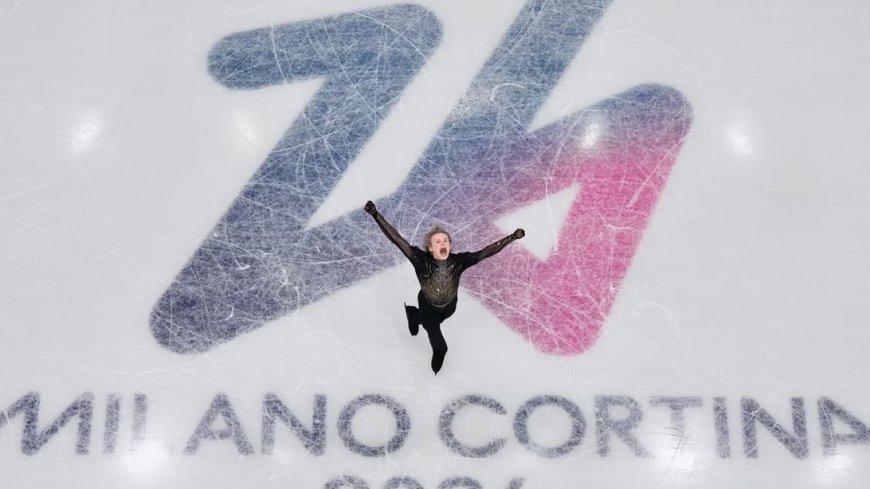
The 2026 Winter Olympics in Milano Cortina d'Ampezzo, Italy, have been a spectacle of athletic prowess and artistic expression, and few events capture that essence better than figure skating. As we approach the women's singles free skating program on February 19, 2026, at the Milano Ice Skating Arena, the stage is set for a thrilling conclusion to one of the Games' most anticipated competitions. With the short program already delivering high drama and exceptional performances, the free skate promises to determine the medalists in a field dominated by technical virtuosos and charismatic performers.
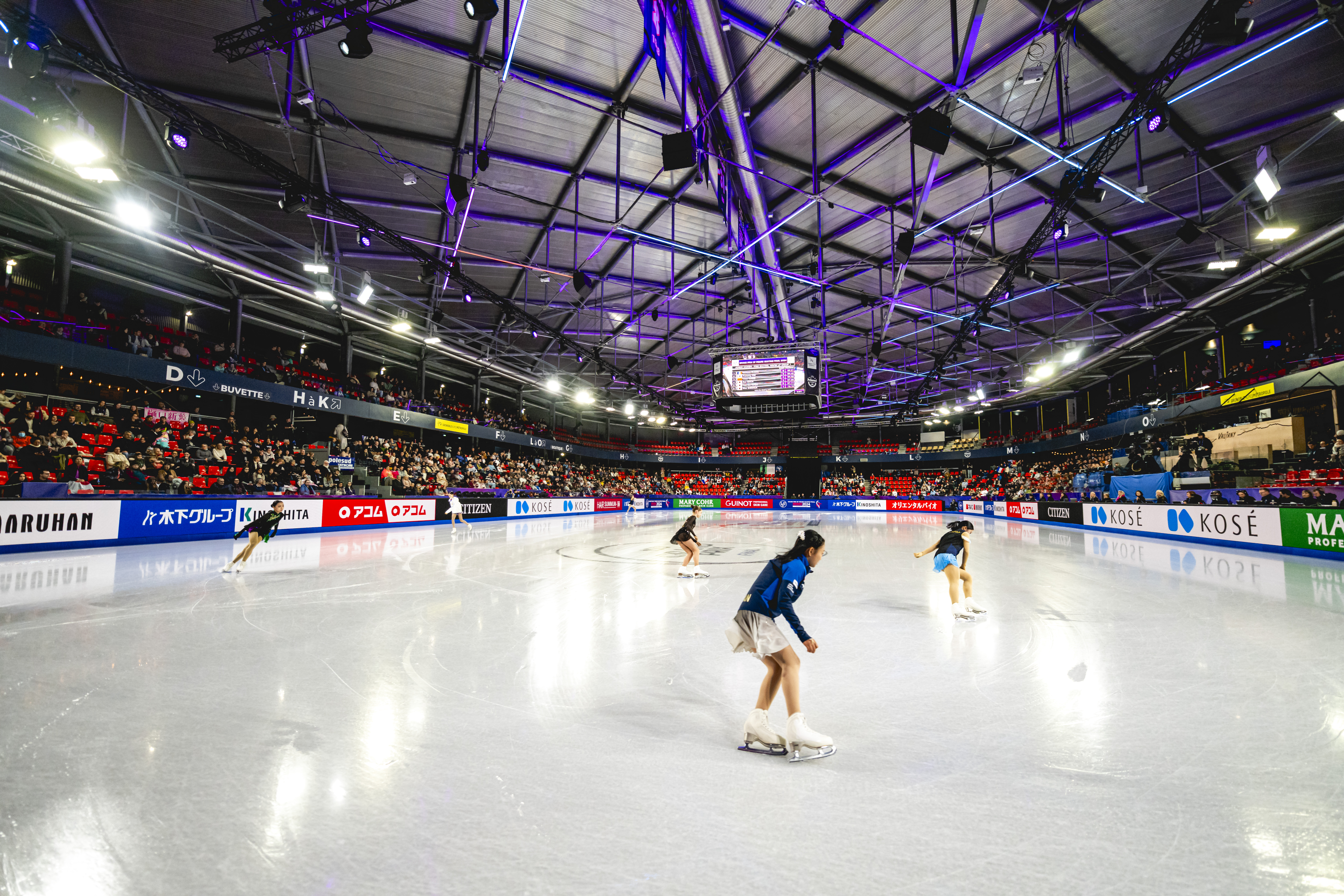
The Milano Ice Skating Arena, a state-of-the-art venue in the heart of Milan, has been transformed into a glittering hub for figure skating events. Hosting both the short program on February 17 and today's free skate, the arena accommodates thousands of spectators and features pristine ice conditions optimized for the demanding jumps, spins, and footwork that define the sport. This marks Italy's return as a Winter Olympics host since Turin in 2006, blending modern infrastructure with the country's rich cultural heritage.
Recap of the Short Program: Japan Leads the Charge
The short program, held two days ago, saw 29 skaters from around the world vying for the top 24 spots to advance to the free skate. Japan's dominance was evident, with three athletes securing positions in the top four. Leading the pack is 18-year-old sensation Ami Nakai, who earned a total segment score (TSS) of 78.71. Her performance was a masterclass in precision, featuring a flawless triple Axel and intricate footwork that earned high technical element scores (TES) of 45.02 and program component scores (PCS) averaging around 8.4 for composition, presentation, and skating skills.
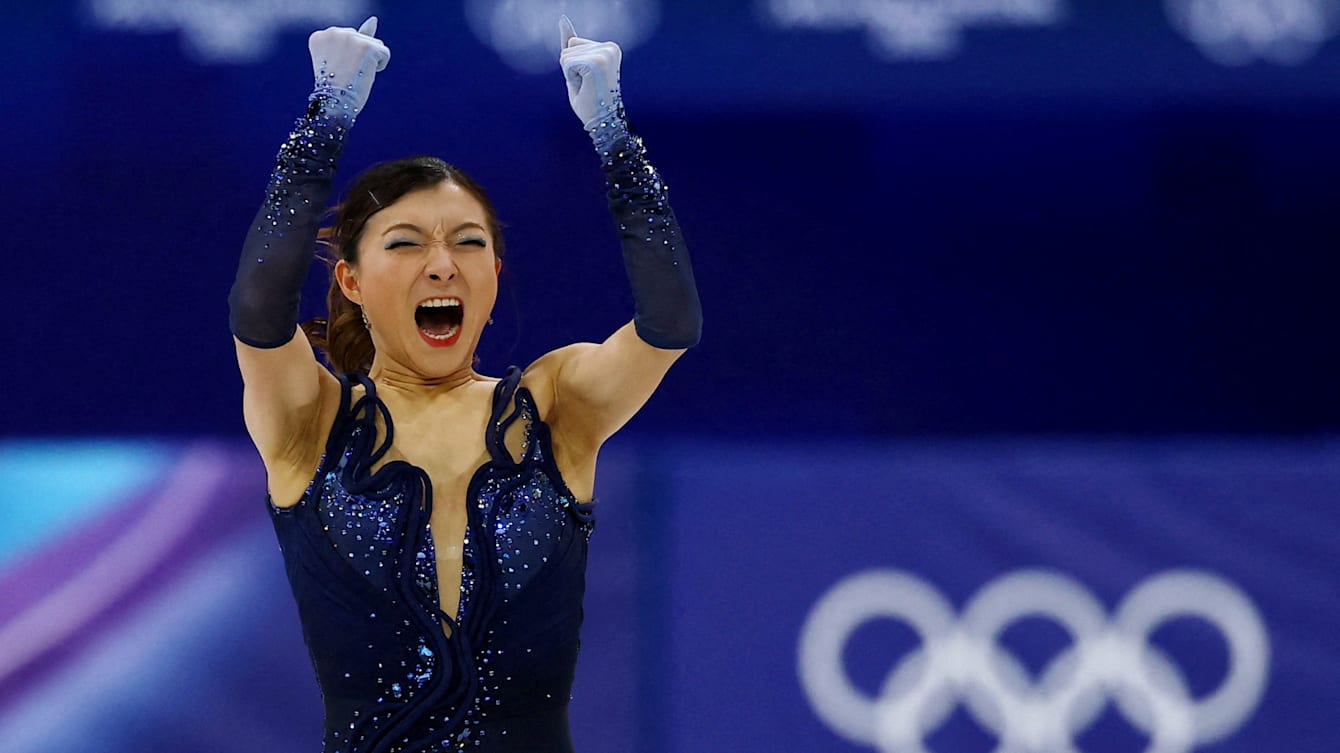
Hot on her heels is compatriot Kaori Sakamoto, the reigning world champion and Beijing 2022 bronze medalist, with a TSS of 77.23. Sakamoto's routine to a haunting melody showcased her maturity and artistry, scoring 40.08 in TES and an impressive 37.15 in PCS, reflecting her superior interpretation and edge control. Sakamoto, at 25, is competing in what she has called her "last dance" at the Olympics, adding emotional weight to her bid for gold.
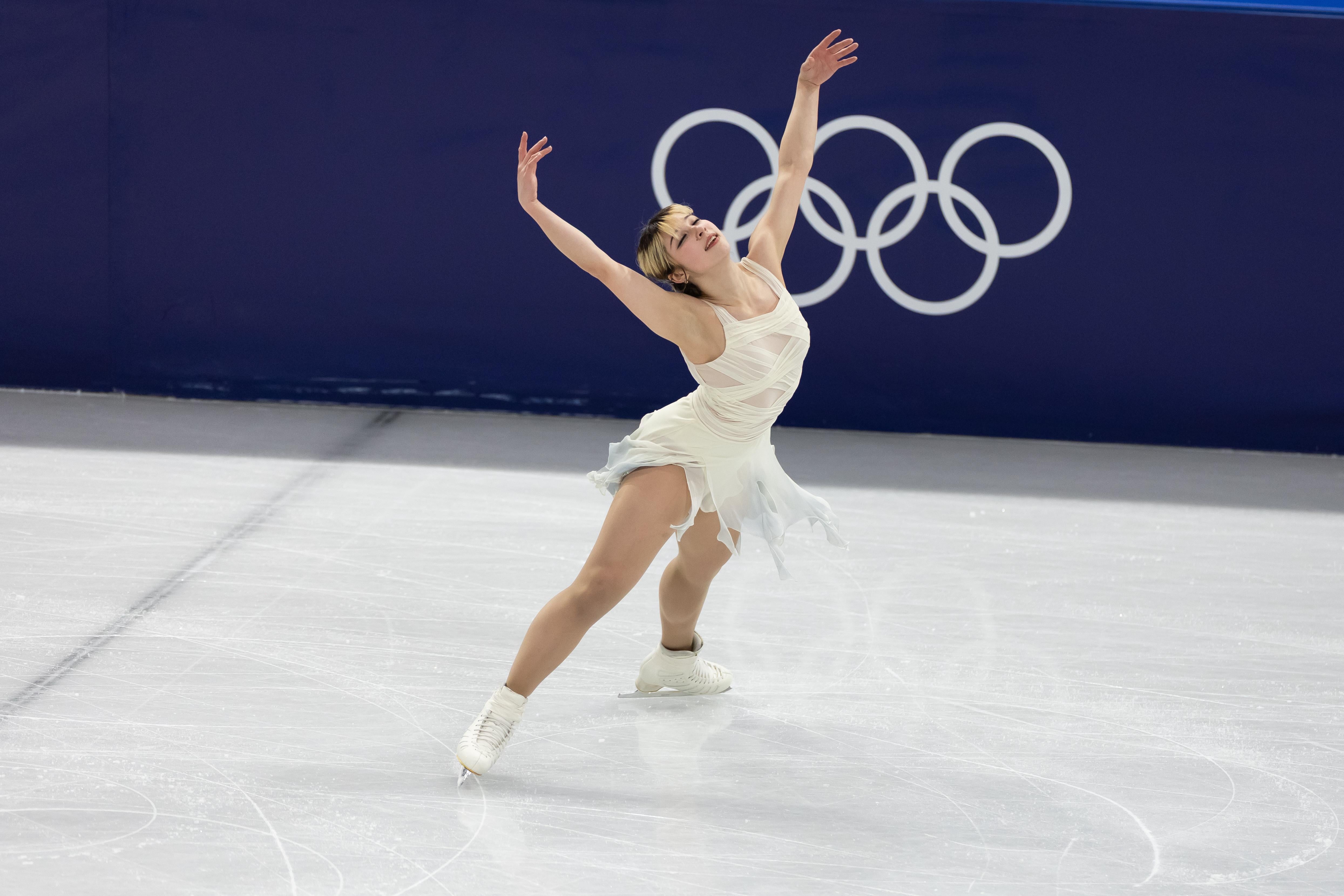
In third place, American Alysa Liu delivered a standout performance, scoring 76.59. The 20-year-old from California, who made her Olympic debut as a teenager in 2022, skated to "Promise" by Laufey, incorporating a triple Lutz-triple toe loop combination that wowed judges. Her TES stood at 41.34, with PCS of 35.25, highlighting her growth as a complete skater. Liu represents the U.S.'s best hope for a medal in women's singles since Sasha Cohen's silver in 2006.
Other notable qualifiers include Japan's Mone Chiba in fourth (74.00), Adeliia Petrosian competing as an Individual Neutral Athlete in fifth (72.89), and Georgia's Anastasiia Gubanova in sixth (71.77). Belgium's Loena Hendrickx (70.93) and American Isabeau Levito (70.84) round out the top eight, setting up a diverse field where European and Asian skaters could challenge the podium. Unfortunately, Canada's Madeline Schizas (55.38) and others like Great Britain's Kristen Spours (45.54) did not advance.
The short program scores set the starting order for the free skate, with lower-ranked skaters performing first. This reverse-order format builds tension, culminating in the top performers taking the ice last. As of now, the event is underway, with early skaters like France's Lorine Schild and Switzerland's Livia Kaiser opening the competition.
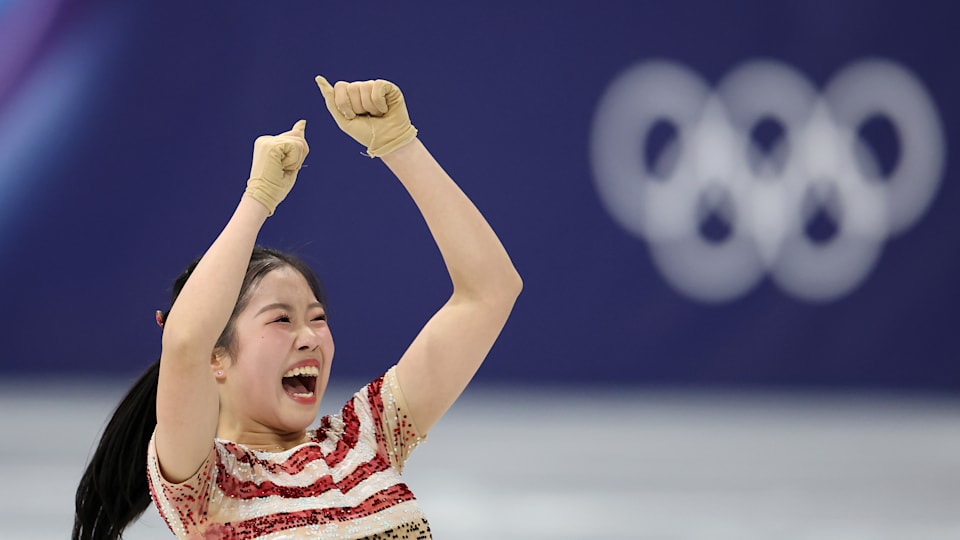
Key Contenders and What to Watch in the Free Skate
The free skating program, lasting about four minutes, allows skaters more freedom to showcase their athleticism and creativity compared to the more rigid short program. Skaters must execute seven jumping passes, three spins, and a choreographic sequence, with no restrictions on music or theme. Scores combine TES for jumps, spins, and steps with PCS for overall artistry, potentially exceeding 140 points for top performers.
Ami Nakai, starting last, is favored to maintain her lead if she lands her planned quad Salchow – a rare feat in women's skating. Her youthful energy and technical base value could push her total score over 220, but pressure might play a factor in her Olympic debut.
Kaori Sakamoto, skating penultimate, is known for her consistency. Her free program to "Wild Is the Wind" by Nina Simone emphasizes emotional depth and powerful triples. If she avoids under-rotations, which plagued her in past competitions, she could surpass 150 in the free skate, leveraging her high PCS to challenge for gold.
Alysa Liu, third from last, brings American flair with a program inspired by contemporary pop. Her strength lies in combinations like the triple flip-Euler-triple Salchow, but she must improve on her short program's minor edge calls to medal. Teammate Amber Glenn, in 13th (67.39), faces an uphill battle after a shaky short but could redeem herself with her signature quad toe loop.
Dark horses include Loena Hendrickx, whose elegant style earned her a world silver in 2025, and Haein Lee of South Korea (70.07 in ninth), a technical powerhouse. Adeliia Petrosian, despite the challenges of competing neutrally due to geopolitical issues, has the jumps to podium if she delivers cleanly.
Historical Context: Evolution of Women's Singles
Women's singles figure skating has been an Olympic staple since 1908, evolving from compulsory figures to today's emphasis on athletic jumps and artistic expression. Legendary winners include Sonja Henie (three golds in the 1920s-30s), Katarina Witt (1984, 1988), and more recently, Russia's Anna Shcherbakova (2022). Japan has risen as a powerhouse, with Yuzuru Hanyu's influence inspiring a new generation, though women's gold has eluded them until potentially now.
The 2022 Beijing Games were marred by controversy, including doping scandals, leading to stricter rules for 2026. The inclusion of Individual Neutral Athletes reflects ongoing global tensions, ensuring fair play while allowing talent to shine.
In Milano Cortina, the event underscores figure skating's blend of sport and art. With sustainability themes in the Games – like reused venues from Turin – the free skate symbolizes grace under pressure.
Predictions and Excitement Ahead
As the free skate unfolds, expect Japan to claim at least two medals, with Sakamoto potentially capping her career with gold. Liu could sneak onto the podium, ending a U.S. drought. Whatever the outcome, this competition highlights the sport's global appeal and the athletes' dedication.
Fans worldwide are tuned in, with live broadcasts capturing every twist and turn. The medals will be awarded tonight, crowning the queens of the ice in Milan.